Login
Login


 24x7 Customer Care
 Visit Our Store


Ajgaivinath Dham
Sultanganj has a historic past closely associated with the
Mahabharata. Once it was the Anga rajya of Karna, the illegitimate son of Kunti
and the 6th brother of the 5 Pandavas.
Though, the exact date of the temple formation is not
decoded but per relics and history- the Ajgaivinath Temple was built during the
rule of the Pala dynasty. References of Gupta, Maurya and the Pala era are
found across the area through the excavated coins, stupas, seals, terracotta
artwork, and Hindu as well as Buddha idols.
The ancient name of the place was Jahangira, which was
derived from the name of Jahnu Muni. Jahangira is a modified form of Jahnu giri
(the hill of Jahnu) or Jahnu griha (the abode of Jahnu)
Location Bihar, Bhagalpur, Patna
Legend
The temple of Ajgaivinath was so named because of the
century-old legend. From the Puranas it has been known that once Lord Shiva
left his bow Ajgav here at this place. From then onwards, this place became
holy for the Hindus and later the temple was built.
Architecture
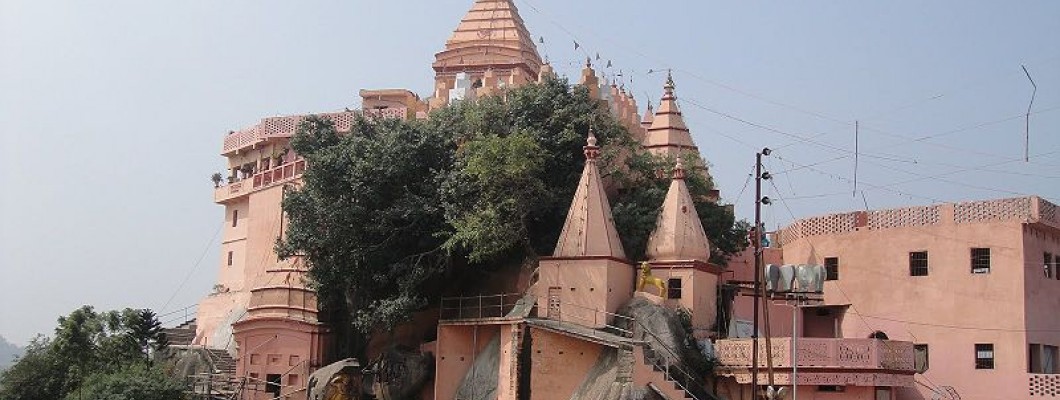
The castle like architecture of the Ajgaivinath temple
entices visitors. It is believed that the Shiva Lingam that is worshipped
inside the sanctum sanctorum is Swyambhu. This ancient temple is built up on a
solid rock and is celebrated for its marvelous architecture. The style of
artistry inside the temple let the pilgrims revisit the times of the Gupta,
Maurya and Pala times. River Ganga by the site washes the foot of the temple.
Culture
Over the ages, Bihar has been the center of attraction
regarding its involvement since the days of Ramanayana and the Mahabharata. The
capital of the mighty Mauryan Empire was also at Pataliputra- which lies in the
present day Bihar. Even today, many important relics of Emperor Chandra Gupta
Maurya, Bindusara and the mightiest of them all, Emperor Ashoka are found.
Moreover, Bihar proudly houses the centers of learning like
the famous Nalanda University and the prestigious Vikramshila University during
the ancient times.
The state boasts on its flagship religious culture, the enriched
heritage that grew up associating different popular shrines in Bihar.
Alongside, Bihar's culture extends to the vibrant Madhubani art and Manjusha
art.
Picture Courtesy: commons.wikimedia.org
Darsan Info
The ideal of the year to visit the temple is between July
and September and also February to May. Devotees must visit the Shravani Mela
in order to witness the real splendor of the temple.
Darsan Dresscode
No specific dresscode is to be followed.
Famous Festival
Shravani Mela, the most famous and important festival of
Sultanganj is a 30 day long festival which starts in the end of July and ends
in the middle of August every year.
Temple Rituals
Devotees can do abhishek on the Shiva Lingam with water from
the near by Ganga river along with offering flowers, garlands, sweets, candles
and incenses to Mahadev.
Special Rituals
The Month of Shravan is very special for Ajgaivinath Shiva
Temple. During this time 30 day long Shravan Mela is arranged in the temple
premises. Lord Shiva Lingam is also specially worshipped during such occasion
as well as during the Maha Shivratri.
Related Products