Login
Login


 24x7 Customer Care
 Visit Our Store


Kumbh Mela
Kumbh Mela - The Devout Congregation
Legend
The origins of the Kumbh Mela are
rooted in ancient Hindu mythology, particularly the tale of the 'Samudra
Manthan' or the churning of the celestial ocean. During this cosmic event, the
gods (Devas) and demons (Asuras) churned the ocean to retrieve the "amrita,"
the nectar of immortality. When the jar containing this divine nectar emerged,
a fierce battle ensued for its possession. Over twelve celestial days and
nights (equivalent to twelve years on Earth), Garuda, the divine bird, flew
with the jar. During this flight, four drops of nectar fell to Earth,
sanctifying the sites of Haridwar, Allahabad (Prayagraj), Nashik, and Ujjain,
which became the sacred venues for the Kumbh Mela. The earliest written
reference to the Kumbh Mela is found in the accounts of the Chinese traveler
Hiuen Tsang, who visited India between 629 and 645 CE.
Deity
and Temples
Deities
The holy rivers associated with the
Kumbh Mela are Ganga, Yamuna, Shipra, Godavari, and the mythical Saraswati.
These rivers hold immense religious significance as they are believed to purify
the soul and absolve sins.
Temples
Covered
- Haridwar
- Har Ki Pauri
- Mansa Devi Temple
- Chandi Devi Temple
- Maya Devi Temple
- Allahabad (Prayagraj)
- Triveni Sangam (Confluence of Ganga, Yamuna, and
Saraswati)
- Saraswati and Nehru Ghats
- Mankameshwar Temple
- Bade Hanuman Ji Temple
- Alopi Devi Temple
- Nashik
- Ram Kund
- Trimbakeshwar Shiva Temple
- Ujjain
- Ram Ghat
- Mahakaleshwar Jyotirlinga Temple
Yatra
Preparations
Kumbh Mela hosts one of the largest
gatherings of devotees, attracting millions from across the globe. It is
essential to plan your pilgrimage well in advance:
- Accommodation:
Book your stay months ahead to secure proximity to key sites.
- Travel:
Reserve train or flight tickets early due to heavy demand during the mela.
Pooja
Samagri
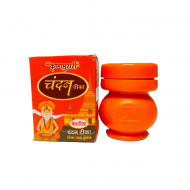
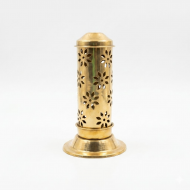
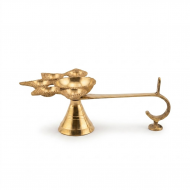
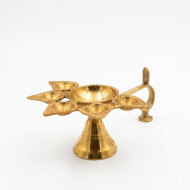
Obtaining high-quality and authentic
pooja items is crucial for a fulfilling spiritual experience. At Pilgrimaide,
we provide premium-grade pooja samagri, ensuring purity and authenticity for
your rituals. Browse our offerings on www.pilgrimaide.com, email us at [email protected],
or call us directly at +91 9619899406 for assistance.
Must-Haves
- Health & Hygiene:
Eat only clean, freshly cooked food and drink bottled water to prevent
illnesses.
- Medications:
Carry all essential and special medications you may need.
- Travel Essentials:
Include comfortable footwear, a first-aid kit, and a reusable water
bottle.
Health
Awareness
While all Kumbh Mela sites have
robust medical facilities, the massive influx of devotees and shared bathing in
rivers can heighten health risks. Maintain hygiene and follow safety guidelines
to ensure a safe pilgrimage.
Climate
- Summers:
Hot, with temperatures reaching the high 30s (°C).
- Winters:
Pleasant, with daytime temperatures in the 20s (°C). Plan your visit
according to the season for a comfortable experience.
Area
Covered
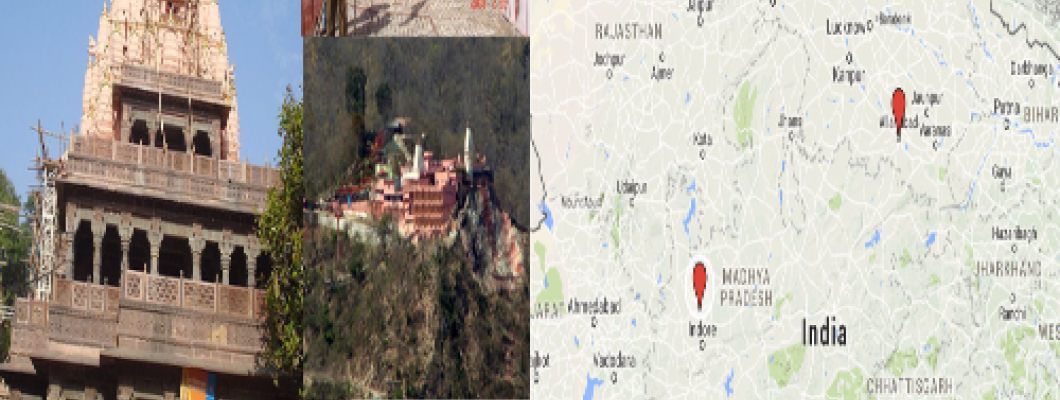
The Kumbh Mela spans four states:
- Uttarakhand:
Haridwar
- Uttar Pradesh:
Allahabad (Prayagraj)
- Maharashtra:
Nashik
- Madhya Pradesh:
Ujjain
Languages Spoken: Hindi, Marathi
Auspicious
Days
Certain days during the Kumbh Mela
are deemed most sacred for bathing in the holy rivers. Among these, the Mauni
Amavasya Snan holds the highest significance, drawing millions of pilgrims.
Best
Time to Travel
- Purna Kumbh Mela:
Held once every 12 years at each site.
- Ardh Kumbh Mela:
Occurs midway between two Purna Kumbh Melas at Prayagraj and Haridwar.
- Maha Kumbh Mela:
Celebrated every 144 years after 12 Purna Kumbh Melas. The precise dates
are determined by astrological calculations based on the zodiac.
Darshan
Info and Duration
Devotees typically spend 2-3 days at
the Kumbh Mela, visiting temples, taking darshan of the sadhus, and
participating in the ritual bathing.
Travel
Methods
All Kumbh Mela sites are accessible
by air, rail, and road. Major cities near these sites have well-connected
airports and railway stations.
Crowd
Expected
The Kumbh Mela is one of the largest
religious gatherings in the world, attracting between 100 and 120 million
visitors over its duration. Prepare for dense crowds and extended wait times.
Festivals
and Rituals
Apart from bathing rituals, the
Kumbh Mela is marked by vibrant cultural events, processions of saints, and
spiritual discourses, creating an atmosphere of divine fervor and devotion.
For an enriching spiritual journey,
Pilgrimaide offers comprehensive solutions for your pilgrimage needs. Explore
our extensive range of pooja items and accessories, ensuring a seamless and
fulfilling experience during this grand celebration of faith.
Related Products