Login
Login


 24x7 Customer Care
 Visit Our Store


Kankalitala Temple
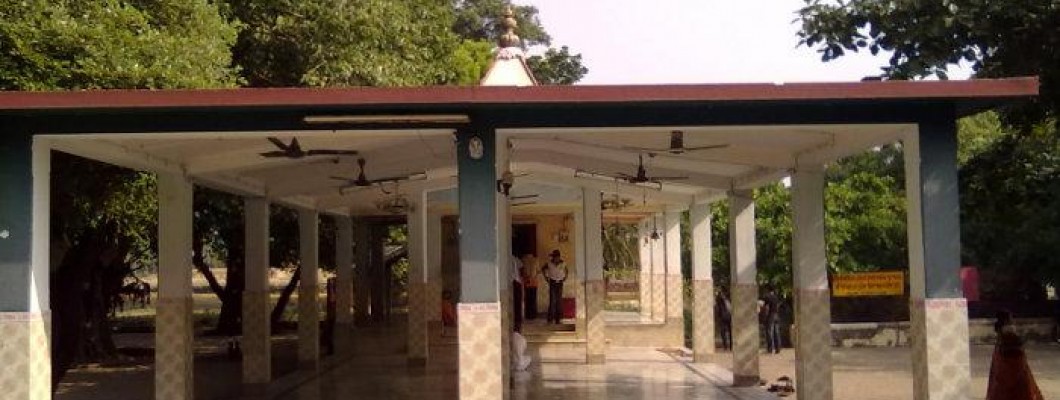
Kankalitala is a temple-town in Birbhum-Murshidabad of West
Bengal. It is one of the fifty-one Shakti Peethas on the banks of Kopai River.
It is believed that the waist of Devi Sati fell at this pious village of Bengal
to create a Shakti-Peeth. The place is named "Kankali"- that comes
from the Bengali word "kanal" means Skeleton because the bones of the
Devi fell at this place. Per ancient beliefs, the body parts of Sati fell here,
with a great force for which the kund is created. Adjacent to the Kund, the temple
of Devi Parvathi has been erected. Devotees believe that the body parts of the
Devi are still there under the pond. The exact date of the origin of this
temple is not found.
Location West Bengal , Birbhum, Kolkata
Legend
Apart from the legendary history of the creation of the
Shakti-Peeth temple after Sati's self-immolation at Dakshya's Yajna, the legend
of the abominable Kala Pahar is also famous surrounding the temple of
Kankalitala in Bolpur. Per legend, the relentless Kala Pahar, a Muslim General
destroyed the upward base of the syambhu shiva lingam at this temple in the
16th century when Bengal was under the rule of the Afghan Pathan warlord
Sulaiman Khan Karrani during reign of the Mogul Ruler Akbar. This Kala Pahar
believed in destroying the ancient shrines of the Hindus. The monstrous general
also destructed the first temple of Kamakhya Devi in Assam.
This temple is part of the famous Shaktipeetha Darshan Yatra
of West Bengal.
Architecture
This is perhaps the simplest of all Shakti-Peeths. The
unardorned edficice with a pyramidical construction houses a portrait of
Goddess Parvathi. Though, the picture resembles Goddess Kali, but over the
ages, She is worshipped as Goddess Parvathi. The deity is accompanied by Her
dinive consort Shambhu Baba or Ruru Bhairav, consecrated as a Shiva Lingam
inside the Shiva Temple close to the entrance of the temple complex. The floors
are paved with marble. But the Shiva lingam is placed under the ground and
devotees have to pour water and offerings on the pit of the broken Lingam. Once
the lingam used to be huge but during the muslim invasion during the 16th
century by the notorious Kala Pahar, the lingam was broken. The temple complex houses a serene pond by
the temple. This is called the temple Kunda, where the body remains of Devi
Sati fell. The Terracotta motifs at the entrance of the Kankalitala Temple
entice visitors. If devotees want, they can also explore the harikath where the
animal sacrifice is offered to the Goddess as well as the cremetorium where the
corpses are burnt on pyre.
Culture
Known to be the 'mini-India' for its diverse geographical as
well as cultural variations, West Bengal is also popular for housing over 14
shakti peeths. Coming back to the culture of this eastern state of India, since
prior and the post-partition times, Bengal is famous for its enriched culture.
From Darjeeling to the Sundarbans, and from Puruliya to the 'Rarh' area of
Birbhum- each of the provinces has a unique cultural approach. Starting from
the Bengali music, dance, theater, literature, art, and notwithstanding the
mouthwatering cuisine- West Bengal has successfully created a mark for its
exclusive aesthetics in the world panorama.
Picture Courtesy: www.wikimapia.org
Darsan Info
From 6:00 AM to 8:00 PM, the devotees can visit the temple.
Like other Shaki-Peeths, Tuesdays and Saturdays are important days for
worshipping the deity.
Darsan Dresscode
No Dresscode is required.
Famous Festival
January - Makar Sankranti
February - Shiv Ratri
March - Holi
April - Spring
Navratri
May - Ratha
Yatra
July - Sawan
Puja
October - Sharad Poornima, Durga Puja Dashami/Dusshera
November - Kali Puja, Diwali, Annakuta, Winter Navratri
Temple Rituals
The deities are offered with snana and nitya puja. But the
ritual of mass prayers is followed till date as a part of worshipping the
Goddess.
Special Rituals
On the special festivals and occasions, the priests offer
special pujas for the deities. Sravan is the most pious season for the Shiv
Bhakts. At Kankalitala Temple, many Kanwariyas are found gathering to pour
water at the Shakti Peeth on Her Bhairav- Ruru Dev. Usually, the Kanwariyas
collect Ganga water in their Kalash and carry that to the Shiv temples during
the month of Shravan (Gregorian- July).
Additional Info

Hia Restaurant
Kiramala Garden Restaurant
Rangamati Garden Resort

Related Products