Login
Login


 24x7 Customer Care
 Visit Our Store


Amaran Kaavu Vana Durga Temple
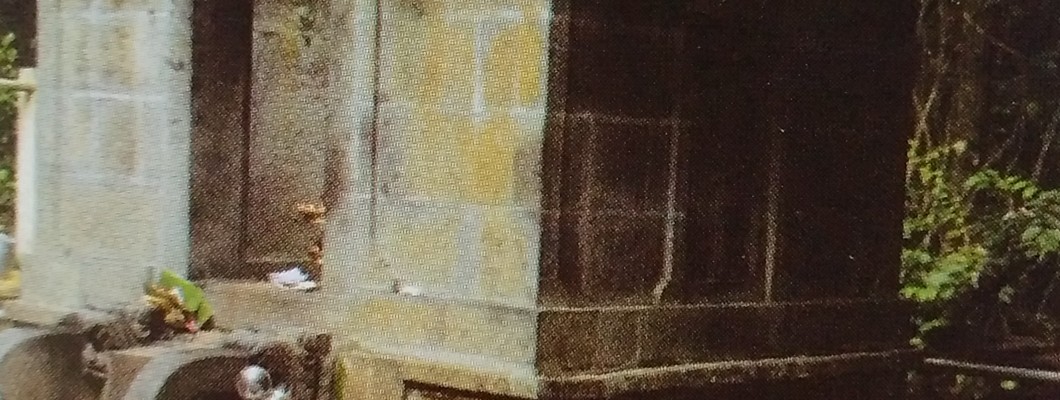
The origin of Vana Durga Temple can be dated back to the
Sixteenth Century, though there are not records about the origin of the temple.
The kaavu or sacred grove is home for dense evergreen forest. The kaavu is on
the north of the Kolani Sree Krishna Temple.
The swayambhu granite idol has been weakened after many
years. The erosion of the idol has been more obvious in the recent years and so
it has been covered with a brass cylinder in the shape of a reversed nazhi
(local measure)
Location Kerala, Idukki, Thiruvananthapuram
Architecture
The main structures of the Amaran kaavu Vana Durga Temple
are a small sree kovil, thidappally with a granite nadapanthal and tharas or
platforms for Panchamoorthy, Khantakarnan with Veerabhadran, Yakshi and Naga.
Culture
In the olden times people from other parts of Kerala and
Tamil Nadu migrated to Idukki and so Idukki district is said to have a mixed
culture. A large tribal population is settled in Idukki and there are more than
200 tribal clans here. The main inhabitants of this place are the scheduled
tribes which include Malayarayan, Mannan, Oorali, Paliyan, Malapandaram,
Malayan etc. Out of all the tribes Malayarayan excel in socio economic and
educational aspects.
Darsan Info
The temple is open from 10 AM to 11:30 AM.
Darsan Dresscode
At Amaran kaavu Vana Durga Temple , Traditional Kerala
attire is preferred.
Famous Festival
April/May :Pooram, Kaapu kettu, Makam pattu, Pooram-idi are
the special events during the Pooram
Special Rituals
Pooram-idi performed during the festival is special for this
temple. First raw-rice (unakkal ari) is mixed with milk and beaten in a wooden
pounding mortar (mara-ural) and then offered to the Goddess. After that the
nivedyam is again pounded with kadali plantain, molasses, turmeric and tender
coconut. This time the priest pounds it so hard that the mixture is strewn all
around. The belief is that the Bhootaganas are fed like that.
Additional Info

Malabar Village - Food Court +91 9496969292, Uduppi
Restaurant +91 4862224481

Related Products